

The practice of submerging the human body into near-freezing water is no longer a niche ritual reserved for elite athletes, eccentric winter swimmers, or ancient ascetic traditions. Over the past few years, cold water therapy has transformed into a mainstream wellness phenomenon. It is backed by a growing body of physiological research, championed by high-profile health influencers, and integrated into thousands of daily routines worldwide.
At the center of this movement is a specialized piece of equipment that has evolved rapidly from simple DIY setups to advanced technological marvels: the cold plunge tank.
Whether you are looking to install a premium commercial cold plunge in a commercial wellness center, design the ultimate ice bath at home, or find the best cold plunge for home gym setups, the market offers an overwhelming array of options. These range from basic stock tanks chilled with bags of ice to sophisticated, self-cleaning recovery tubs equipped with powerful integrated water chillers.
Choosing the right system requires a deep understanding of the underlying science, the mechanical components involved, the spatial requirements, and the maintenance commitments necessary to keep the water safe and crystal clear.
This comprehensive guide will examine every aspect of selecting, installing, and maintaining a cold plunge system. We will explore the physiological mechanisms that make cold exposure so powerful, analyze the key mechanical components like the water chiller for cold plunge systems, compare commercial configurations with residential setups, and provide a detailed blueprint to help you make an informed investment that perfectly aligns with your lifestyle, budget, and recovery objectives.
1. The Physiological Foundation of Cold Water Therapy
To fully appreciate why investing in high-quality cold plunge tanks is worthwhile, one must first understand what happens to the human body when it enters sub-50 degree water. The immediate reaction is profound, systemic, and rooted in evolutionary survival mechanisms. This deliberate stressor triggers a cascade of neurochemical and cardiovascular adaptations that yield long-term physical and mental benefits.
The Vasoconstriction and Vasodilation Cycle
The most immediate physical response to cold water submersion is cutaneous vasoconstriction. When the thermoreceptors in your skin detect a sudden, drastic drop in temperature, the sympathetic nervous system immediately constricts the peripheral blood vessels. This mechanism shifts blood away from the extremities and skin surfaces toward the vital organs in the body core, preserving internal thermal homeostasis.
Once you exit the cold plunge tank, the opposite phenomenon occurs. As the skin warms, peripheral blood vessels undergo rapid vasodilation. This creates a powerful flushing effect, driving oxygenated, nutrient-rich blood back into the muscle tissues and extremities while pulling away metabolic waste products like lactic acid. This mechanical pumping action is one of the primary reasons athletes utilize recovery tubs to accelerate muscle healing and reduce soreness after intense training sessions.
The Neurochemical Shift
The cognitive and emotional benefits of deliberate cold exposure are driven by a massive release of neurotransmitters. Research indicates that immersion in water at 58 degrees Fahrenheit (14 degrees Celsius) can increase blood concentrations of dopamine by 250 percent, and norepinephrine by 530 percent.
Unlike the transient dopamine spikes associated with social media, sugar, or caffeine, the dopamine increase triggered by cold water therapy is sustained, rising gradually and remaining elevated for several hours after the plunge. This results in a long-lasting state of calm, focused energy, enhanced mood, and heightened mental clarity.
Inflammation and Immune Modulation
Chronic inflammation is a root driver of numerous modern diseases, including cardiovascular issues, metabolic disorders, and joint degeneration. Cold water therapy acts as a potent acute anti-inflammatory agent. By suppressing the expression of pro-inflammatory cytokines and reducing cellular swelling, regular cold plunging can alleviate chronic joint pain, diminish systemic inflammation, and potentially support immune system resilience by stimulating the production of white blood cells.
2. Analyzing the Anatomy of Modern Cold Plunge Tanks
When evaluating the market to find the ideal setup, it helps to view a cold plunge not merely as a container of water, but as an integrated mechanical ecosystem. The performance, longevity, and hygiene of your unit depend directly on the quality of its core components.
Tub Engineering and Insulation Material
The structural shell of the tank dictates both its durability and thermal efficiency. Low-end models often rely on single-walled plastics or uninsulated inflatables, which lose heat rapidly and force the cooling unit to work continuously. High-quality residential and commercial options generally utilize one of three materials:
- Marine-Grade Acrylic: Extremely durable, UV-resistant, non-porous, and easy to sanitize. Acrylic tubs are often reinforced with fiberglass and thick polyurethane foam insulation to maximize temperature retention.
- Military-Grade Drop-Stitch PVC: Popular among portable models, this material can be inflated to high pressures, creating a rigid, rock-hard structure. While less naturally insulated than acrylic, premium drop-stitch tubs use multi-layer thermal barriers to maintain low temperatures.
- Stainless Steel and Cedar: Aesthetics meet utility in these designs. Stainless steel interiors offer exceptional hygiene and a sleek, modern look, while Western Red Cedar exteriors provide natural resistance to rot, insects, and weather, alongside excellent structural insulation.
The Water Chiller for Cold Plunge Systems
The water chiller is the heart of any modern cold water therapy setup. Without a reliable, powerful chiller, a cold plunge tank is little more than an expensive bathtub that requires hundreds of pounds of ice every week to remain effective.
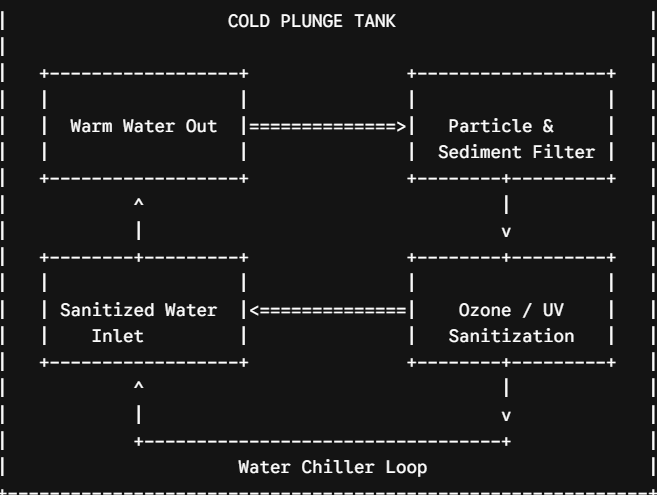
When reviewing chiller specifications, pay close attention to horsepower (HP). Most residential units feature chillers ranging from 1/4 HP to 1/2 HP, which are perfectly adequate for cooling a standard 60 to 80-gallon tank down to 37 degrees Fahrenheit in a typical home environment.
However, if you are looking for the best cold plunge for home gym use located in a hot garage, or if you are specifying a commercial cold plunge for high-frequency use, a 1 HP or even a 1.5 HP chiller is essential. High-horsepower chillers pull the water temperature down much faster and maintain the target temperature consistently, even when multiple people use the plunge back-to-back.
Filtration and Sanitation Architecture
Water safety is a critical, yet frequently overlooked aspect of selecting a cold plunge. Sitting in stagnant, cold water creates a breeding ground for bacteria, skin oils, and bio-contaminants. A premium tank must feature a continuous, multi-stage filtration and sanitization loop:
- Mechanical Filtration: A 20-micron or 50-micron pleated sediment filter captures hair, skin flakes, and outdoor debris before the water enters the chiller pump.
- Ozone Disinfection: An internal ozone generator injects $O_3$ gas into the water loop. Ozone is a powerful, all-natural oxidizer that neutralizes bacteria, viruses, and pathogens instantly upon contact without leaving chemical residues.
- Ultraviolet (UV) Sterilization: Many premium models combine ozone with a UV-C light chamber. As water passes through the chamber, specific wavelengths of ultraviolet light disrupt the DNA of microscopic organisms, rendering them harmless and ensuring the water stays clear for months at a time.
3. Commercial Configurations versus Residential Setups
The operational demands placed on a commercial cold plunge in a public spa, sports clinic, or commercial gym are vastly different from the demands of an ice bath at home. Understanding these distinctions is crucial to ensure you purchase a system built for your specific environment.
The Commercial Cold Plunge: Built for High Volume
In a commercial environment, twenty to fifty individuals might use the cold plunge tank in a single day. This constant thermal loading means that the body heat of each user warms the water slightly. To combat this, a commercial cold plunge requires an industrial-grade water chiller for cold plunge systems, usually rated at 1 HP or greater, utilizing a high-flow commercial pump capable of cycling the entire volume of the tank every 10 to 15 minutes.
Furthermore, public health departments mandate strict sanitation protocols for commercial facilities. Commercial units must be built with commercial-grade plumbing, advanced heavy-duty ozone or UV systems, and often require the addition of trace amounts of secondary sanitizers like bromine or chlorine.
The structural shells of these units are engineered with highly durable, non-porous surfaces like marine-grade stainless steel or commercial acrylic to withstand constant wear, chemical exposure, and rigorous cleaning schedules.
Residential Recovery Tubs: Optimization for the Home Gym
For individuals setting up an ice bath at home or upgrading their fitness spaces with the best cold plunge for home gym use, the priorities shift toward efficiency, footprint, noise level, and ease of residential power integration.
Residential units are typically engineered to run quietly on standard 110-volt, 15-amp household circuits, eliminating the need for expensive electrical modifications. Because the usage frequency is low, often just one or two sessions per day, a residential water chiller can operate at a lower horsepower rating, which lowers both upfront equipment costs and ongoing monthly electricity expenses.
Design aesthetics also play a significant role in home choices, leading many users to select premium wood-clad or sleek monochrome acrylic tanks that blend seamlessly with home patio decor, master bathrooms, or personal garage training environments.
4. Comprehensive Maintenance and Water Chemistry Protocol
Owning a cold plunge tank is a highly rewarding experience, but it comes with the responsibility of maintaining a pristine, hygienic aquatic environment. Neglecting water care can damage the internal components of your water chiller for cold plunge systems, shorten the lifespan of your pump, and lead to skin irritation or bacterial infections.
The Core Principles of Cold Water Maintenance
While cold temperatures do slow down the reproduction rate of many common bacteria compared to hot tubs, pathogens can still thrive in cold water over time. Follow this structured maintenance protocol to keep your water crystal clear:
- Showering Before Submersion: The single most effective way to keep your cold plunge clean is to rinse off before entry. Body lotions, deodorant, sweat, and cologne quickly overload small filtration systems, creating a film on the surface and taxing the filter elements.
- Filter Cartridge Replacement: Check your sediment filter cartridge every two to four weeks. Rinse it thoroughly with a garden hose to remove accumulated particles. Replace the cartridge entirely every two to three months, or immediately if you notice a drop in the water flow rate from your jets.
- Skimming and Surface Cleaning: Use a simple fine-mesh pool skimmer daily to remove floating dust, insects, or leaves, especially if your recovery tub is located outdoors on a patio or deck.
Managing Chemical Balance and Water Changes
Even with advanced built-in ozone or UV-C purification systems, the water in your tank will eventually become saturated with dissolved solids and require a complete refresh.
For residential setups featuring active ozone purification, a complete drain and refill are recommended every three to six months, depending on usage frequency. If your unit does not feature built-in electronic sanitation, you will need to change the water every two to three weeks, or utilize low-toxicity, spa-safe water stabilizers.
Non-chlorine oxidizers, hydrogen peroxide solutions specifically formulated for spas, or enzyme-based water conditioners can keep the water fresh without creating harsh chemical vapors, preserving the natural, clean feel of your cold water therapy sessions.
5. Summary and Strategic Purchase Framework
Investing in a cold plunge tank is a significant commitment to your physical health, mental resilience, and daily well-being. To ensure you make the best choice, summarize your requirements through a structured framework before finalizing your purchase:
- Define Your Spatial Constraints: Measure your intended installation area carefully. Ensure the floor can support the immense weight of a filled tub, which can easily exceed 800 to 1,000 pounds once water and an occupant are inside. Verify that the location has adequate ventilation, particularly around the water chiller for cold plunge systems, as chillers require ambient airflow to exhaust heat efficiently.
- Assess Your True Usage Volume: Be honest about how many people will use the unit daily. If it is purely for personal recovery, a compact residential model with a 1/2 HP chiller is perfect. If it will serve an entire family, a local running club, or clients at a facility, prioritize heavy-duty commercial cold plunge tanks with 1 HP chillers or greater.
- Evaluate Your Climate: If your plunge will live outdoors in an area that experiences extreme summer heat, invest in a premium tank featuring robust polyurethane foam insulation and a higher-horsepower chiller to ensure the system can maintain sub-45 degree temperatures on a hot afternoon.
By carefully matching your structural requirements, budget, and operational needs to the right combination of tank insulation, chiller performance, and sanitization technology, you can integrate a dependable, high-performing cold plunge into your lifestyle. This system will serve as a foundational tool for your health, recovery, and peak performance for years to come.
Technical Insights
The rate of temperature reduction in an aquatic system can be calculated precisely using thermal mass formulas. The total heat energy that must be removed from a specific volume of water is expressed as:
When choosing a chiller, remember that compressor cooling capacity is typically rated in British Thermal Units (BTUs) per hour. A higher BTU rating means your water chiller for cold plunge systems will overcome ambient environmental heat loads faster, ensuring your tank remains at the perfect, crisp temperature whenever you are ready to plunge.