
Health
1570 Sunland Ln, Costa Mesa, CA 92626
How to Maximize Your Wellness Potential Using a Cold Plunge and Sauna Lifestyle
The contemporary pursuit of longevity, physical revitalization, and mental endurance has evolved significantly past the boundaries of elite athletic compounds. In today’s high-stress environment, individuals from all walks of life are actively seeking out evidence-based modalities to optimize their physiological recovery, mitigate chronic neurological fatigue, and cultivate systemic resilience. Among the most potent and historically verified intervention strategies available are intentional thermal therapies, specifically the calculated alternation between ambient environmental heat and aggressive, deep-tissue cold water immersion.
When you pair a traditional wooden or state-of-the-art infrared sauna with a structured cold water immersion routine, you initiate a cascade of profoundly positive physiological adaptations. This methodology, broadly recognized across sports science as contrast therapy, harnesses extreme temperature differentials to dynamically stimulate the human cardiovascular matrix, accelerate baseline metabolic efficiency, and drastically compress the windows required for deep muscular recuperation.
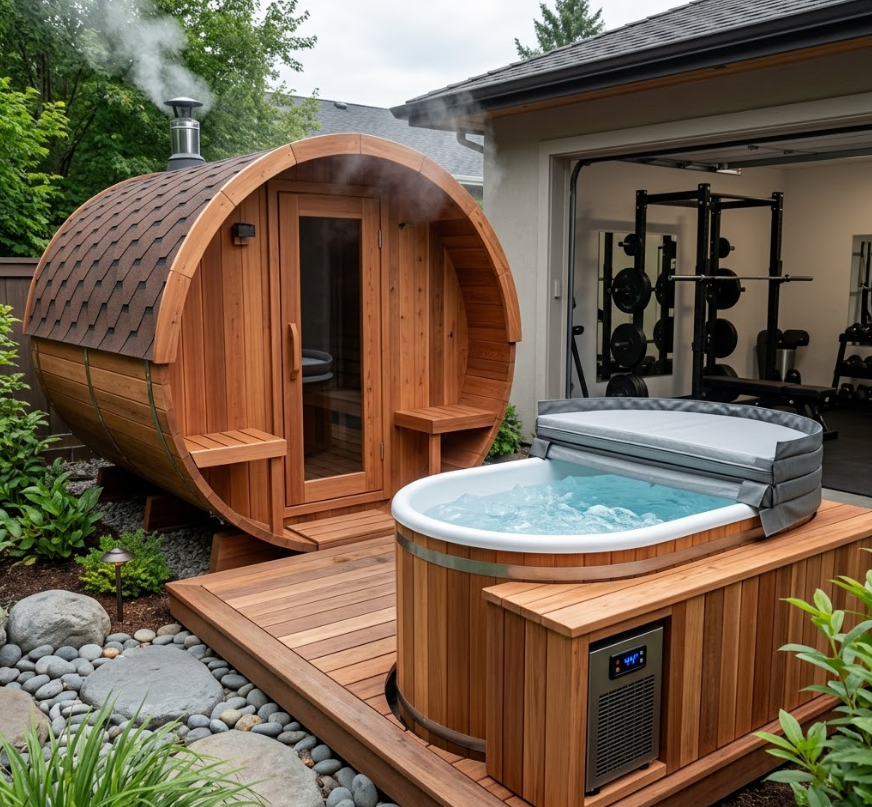
Setting up a deeply therapeutic personal sanctuary has become extraordinarily accessible within modern residential and commercial architectures. Whether your immediate objective is to configure a streamlined, space-conscious ice bath at home, seek out the best cold plunge for home gym integration to optimize post-workout utility, or orchestrate a high-throughput commercial cold plunge installation intended to anchor a commercial enterprise, a meticulous grasp of the underlying biological blueprints and engineering logistics remains paramount. This exhaustive manual serves to break down the complex cellular mechanics of contrast therapy, evaluate premier equipment architectural frameworks, and supply actionable protocols engineered to help you harvest maximum physiological dividends safely and sustainably.
1. The Cellular and Vascular Mechanisms of Contrast Therapy
To comprehensively grasp why the systematic alternation between an intensely heated sauna environment and dedicated cold plunge tanks produces such radical improvements in human vitality, you must closely observe how human anatomy responds to extreme external thermal stress. The human organism operates under strict homeostatic imperatives, working continuously to sustain a core internal temperature of approximately 98.6°F (37°C). When you intentionally introduce environments that deviate sharply from this biological comfort zone, you activate complex survival blueprints hidden deep within our genetic architecture.
Cardiovascular Dynamics and Vascular Pumping
During a typical sauna exposure session, ambient environmental temperatures regularly scale from 150°F to well over 200°F. This profound thermal load forces peripheral blood vessels residing near the cutaneous surface to dilate aggressively, a systemic event known as vasodilation. Your cardiac engine responds by driving up its pulse rate, frequently elevating to anywhere between 120 and 150 beats per minute, which effectively replicates the precise cardiovascular workload and stroke volume demands of moderate aerobic exercise. This heightened state of cardiac output propels highly oxygenated, nutrient-dense blood thoroughly through compromised muscular tissues and major organ networks alike.
The moment you transition directly out of the heat chamber and submerge into specialized recovery tubs filled with near-freezing water, your nervous system triggers the diametrically opposite physiological response. The sudden impact of cold shock forces instantaneous, profound peripheral vasoconstriction, pulling blood away from outer dermal layers and shunting it aggressively inward toward vital internal organs to preserve core thermal integrity.
This rhythmic, mechanical toggle between profound vasodilation and sharp vasoconstriction functions as a highly efficient internal pump for your entire circulatory network. It forcefully flushes pooled fluids through cellular matrices, opens up long-dormant capillary micro-pathways, and drastically accelerates the clearance of trapped metabolic debris, such as hydrogen ions and lactic acid accumulations, from recovering muscle fibers.
Molecular Adaptations and Neurochemical Shocks
Looking past the macro-level hydraulics of blood circulation, intentional thermal stress profoundly reorganizes your internal molecular landscape. Heavy heat exposure prompts cells to rapidly synthesise Heat Shock Proteins (HSPs), which are specialized molecular chaperones that actively repair structurally damaged proteins, stabilize cellular frameworks against degradation, and mitigate the markers of muscle atrophy during periods of physical inactivity.
Conversely, plunging your body into sub-50°F water environments stimulates a pronounced upregulation of Cold Shock Proteins (CSPs), including highly researched structural elements like RNA-binding motif protein 3 (RBM3), which clinical data links directly to enhanced neuroprotection, cellular longevity, and the structural repair of neural synapses.
Furthermore, cold water therapy induces a substantial, sustained neuroendocrine surge. Levels of plasma norepinephrine, a foundational neurotransmitter responsible for cognitive focus, vigilance, and emotional resilience, can skyrocket manifold following a brief cold immersion event. This substantial neurochemical release explains the prolonged periods of laser-like mental clarity, reduced perception of pain, and elevated mood states experienced by daily practitioners.
[Sauna Exposure (Vasodilation)] --> Drives blood outwardly to skin, stimulates Heat Shock Proteins | v [Cold Tank Immersion (Vasoconstriction)] --> Shunts blood inwardly to core, drives Cold Shock Proteins
Lymphatic Cleansing Processes
Unlike your cardiovascular architecture, which benefits from the continuous muscular contractions of the heart to propel blood volume, the human lymphatic system features no centralized mechanical pump. It relies exclusively on external muscular squeezing, intentional movement, and drastic vascular pressure changes to transport interstitial lymph fluid, a fluid responsible for hauling cellular waste products and immune compounds away from tissues. The profound structural squeezing created by transitioning rapidly from a blistering sauna into an ice bath provides an ideal environment for systemic lymphatic drainage, clearing out local edema, lowering chronic inflammation markers, and optimizing overall immune vigilance.
2. Structural Design of Your Thermal Recovery Haven
Engineering a dedicated, long-lasting contrast therapy ecosystem demands meticulous initial planning regarding physical spatial footprints, electrical supply capabilities, structural weight tolerances, and long-term performance expectations. Choosing equipment that precisely matches your lifestyle constraints dictates exactly how seamlessly this practice integrates into your ongoing routine.
Categorizing Residential vs. Commercial Infrastructures
If your immediate blueprint involves designing an ice bath at home, your configuration choices will naturally lean toward spatial conservation, standard residential power requirements (such as matching equipment to native 110V outlets or dedicated 220V appliance feeds), and straightforward, low-maintenance protocols. For dedicated athletes, identifying the single best cold plunge for home gym spaces generally points toward selecting highly insulated, vertically oriented tubs or rigid, drop-stitch inflatables that sit comfortably inside a garage layout or an outdoor patio space right alongside existing fitness machinery.
For public training facilities, commercial fitness academies, or luxury wellness spas, deploying a commercial cold plunge infrastructure requires a completely different tier of industrial engineering. These heavy-duty installations must feature highly sophisticated mechanical filtration pumps, high-output ultraviolet (UV-C) sterilizing bulbs, automated ozone injection systems, and commercial-grade chilling motors. These systems must possess the thermal capacity to hold water temperatures firmly between 39°F and 44°F even when subjected to back-to-back usage by a continuous stream of facility patrons.
The Engineering Necessity of Dedicated Water Chillers
Relying on manual trips to purchase large quantities of bagged ice becomes an expensive, exhausting chore that quickly derails a consumer's dedication to regular recovery. To maintain a functional, perpetually prepared contrast routine, integrating an automated water chiller for cold plunge systems is a non-negotiable upgrade.
An advanced water chiller constantly extracts water out of your recovery tubs, channels it across a specialized internal refrigeration compressor, and sends it back into the basin at the exact degree you prescribe. High-end chiller components also embed micro-filtration nets and magnetic pumps to continuously clear the water column of physical particulate, ensuring your water remains inviting, clean, and crystal clear for months on end without needing frequent, wasteful drainage cycles.
| Structural Metric | Residential Recovery Stations | Commercial Contrast Ecosystems |
| Operational Intent | Private personal use, minimal daily cycles | Continuous high-volume usage, multi-user facilities |
| Cooling Architecture | 1/4 HP to 1/2 HP consumer water chiller | 1 HP to 2 HP industrial-grade cooling units |
| Sanitization Integration | Basic particulate filters, manual sanitation care | Automated Ozone injection, UV-C rays, dual-micron loops |
| Electrical Framework | Standard 110V residential wall plug | Dedicated 220V infrastructure, commercial line installation |
| Chassis Composition | High-density drop-stitch, lightweight composites | Marine-grade stainless steel, thick acrylics, hardwood panels |
Choosing Your Ideal Thermal Contrast Partner
To successfully complete your personal thermal contrast circuit, you require a reliable, high-performance heat engine to pair with your cold water therapy equipment. Traditional Finnish saunas utilize a specialized electric element or a rustic wood-burning stove to raise the temperature of dense volcanic stones, heating the surrounding air volume to anywhere between 185°F and 210°F. These environments allow you to ladle fresh water directly onto the glowing rocks to release bursts of intense steam, creating a humid climate that challenges the lungs and forces rapid sweating.
Conversely, infrared saunas deploy advanced carbon or ceramic heating panels that radiate specific light frequencies directly into human tissue, warming your physical core from the inside out while maintaining a milder ambient air temperature, typically around 120°F to 150°F. Whichever heating methodology fits your lifestyle, ensure the sauna entry door sits within a safe, unobstructed walking distance from your cold plunge tanks to enable seamless transitions without introducing floor grit into your pristine water basins.
3. Methodical Execution and Optimization Protocols
To safely extract the absolute maximum therapeutic benefit from your cold plunge and sauna investments while systematically steering clear of medical distress, you should follow highly structured, step-by-step protocols designed around your personal tolerance thresholds and specific physiological targets.
The Adaptation Blueprint: For Novice Practitioners
If you are currently executing your initial weeks of thermal contrast therapy, your foundational goal must center on teaching your autonomic nervous system to manage extreme temperature swings without triggering panic or hyperventilation. Avoid pushing your body toward absolute limits during your introductory exposure windows.
1.Initial Sauna Thermogenesis:Duration: 10 to 15 Minutes.
Enter your preheated sauna chamber, ensuring temperatures rest safely between 160°F and 175°F. Sit or recline on a comfortable wooden bench. Focus your mind entirely on slow, deep nasal inhalations and extended exhalations to shift your nervous system away from stress and into a parasympathetic state.
2.Intermission and Hygienic Rinse:Duration: 2 Minutes.
Exit the heat chamber carefully. Step immediately into a lukewarm or cool traditional shower to thoroughly wash away surface sweat and skin oils before stepping into your tub. This simple step keeps your water chiller for cold plunge filtration lines running efficiently for weeks.
3.Controlled Cold Submersion:Duration: 1 to 2 Minutes.
Slowly step down into your cold plunge tank, letting the water rise completely up to your collarbone while keeping your hands submerged. Keep your water temperature settings between 50°F and 55°F during this initial phase. Concentrate on fighting the natural gasping reflex by intentionally drawing slow, smooth breaths.
4.Natural Homeostasis and Recovery:Duration: 5 to 10 Minutes.
Step out of the tub basin, gently dry yourself off with a towel, and sit quietly at room temperature until your minor shivering ceases naturally. You can replicate this complete circuit once or twice per recovery session, aiming for two to three total days per week.
The Performance Protocol: Advanced Athletic Restoration
For seasoned individuals who have developed a strong tolerance to thermal conditioning and want to aggressively treat deep muscular soreness, downregulate systemic inflammation, and maximize immediate vascular circulation, a more rigorous sequence can be introduced.
- Primary Sauna Phase: 15 to 20 minutes of continuous exposure inside a traditional Finnish sauna calibrated to 190°F–200°F to maximize sweating and blood flow.
- Primary Cold Immersion Phase: 3 minutes of quiet stillness inside your specialized home gym recovery tubs with temperatures set to 40°F–45°F. Avoid moving your arms or legs wildly; staying perfectly still allows a thin, natural thermal barrier of slightly warmed water to develop against your skin, making prolonged exposure manageable.
- Secondary Sauna Phase: 15 minutes of re-heating back inside the dry sauna cabin to re-dilate tightened blood channels and flush fresh blood directly back into cellular structures.
- Secondary Cold Immersion Phase: 3 minutes of final immersion inside the cold water tank to completely constrict the vascular tree.
- The Sovereign Conclusion: Always terminate an advanced contrast therapy protocol on the cold cycle if your primary goal is to lower localized muscular inflammation and experience an intense, productive spike in morning alertness. Allow your metabolism to warm your skin back up naturally via shivering-free thermogenesis rather than returning immediately to a heat source.
Crucial Medical Warning: Never attempt to perform intense thermal contrast therapy if you have consumed alcohol, are taking vasoactive prescription medications, or are in a state of extended fasting. The swift shifts in baseline blood pressure can cause acute lightheadedness. Always pay close attention to your body’s unique feedback mechanisms; exit the heat or cold immediately if you begin to experience dizziness, sudden nausea, or tunnel vision.
4. Maintenance Routines and Long-Term Logistics
Investing in high-performance recovery machinery necessitates an unwavering commitment to operational cleanliness. Neglecting basic care protocols will quickly compromise your water clarity and can lead to premature failure of complex electronic components.
Water Quality Sanitation Guidelines
When managing a private ice bath at home, your specific maintenance routine depends entirely on how advanced your setup is. If you utilize rudimentary, un-chilled recovery tubs that lack integrated pumps, you must completely drain and scrub the interior basin every few days to stop the formation of biological films and bacterial colonies.
For setups utilizing a high-efficiency water chiller for cold plunge containment, your weekly work is significantly reduced. Swap out the internal sediment filter cartridges every two to four weeks depending on how many individuals use the pool. Additionally, monitor your overall water chemistry once a week using standard test strips; ensuring your water pH hovers precisely between 7.2 and 7.6 shields the delicate internal gaskets and titanium heat exchangers inside your chiller pump from corrosion.
[Weekly Water Quality Matrix] ├── Test chemical pH levels (Optimal Target Range: 7.2 - 7.6) ├── Inspect water chiller intake grates for lint or organic debris └── Wipe down the exposed internal water lines with eco-friendly cleaning agents
Safety Prerequisites and Professional Medical Counsel
While deliberate cold water therapy and hot sauna treatments yield exceptional physical transformations, they represent severe, profound stressors to the human body. The act of submerging into freezing water causes a dramatic activation of the sympathetic nervous system, causing an immediate, rapid spike in resting heart rate and blood pressure values.
If you possess a diagnosed history of cardiovascular disease, suffer from cardiac arrhythmias, struggle with uncontrolled high blood pressure, or are pregnant, you must acquire formal clearance from a qualified medical doctor before executing your very first contrast therapy session.
Conclusion and Next Steps
Committing to a regular, structured sauna and cold plunge lifestyle represents one of the most effective, biologically proven investments you can make to protect your long-term physical health and mental stamina. By merging the intracellular defense mechanisms of heat shock proteins with the powerful vascular flushing and anti-inflammatory benefits of cold water therapy, you create an ideal daily ecosystem for accelerated recovery and peak human performance.
Whether you choose to place a heavy-duty commercial cold plunge in a commercial facility or establish an insulated, high-efficiency ice bath at home directly alongside your favorite fitness equipment, consistency remains the absolute secret to success. Begin your practice slowly, treat your body's feedback loops with deep respect, utilize dependable chilling and filtration equipment, and enjoy the enduring focus and physical vitality that contrast therapy delivers.